California flock care
Planning for Valais Blacknose Sheep in California
What California owners should think through about climate, shade, fencing, flock structure, records, and professional support.
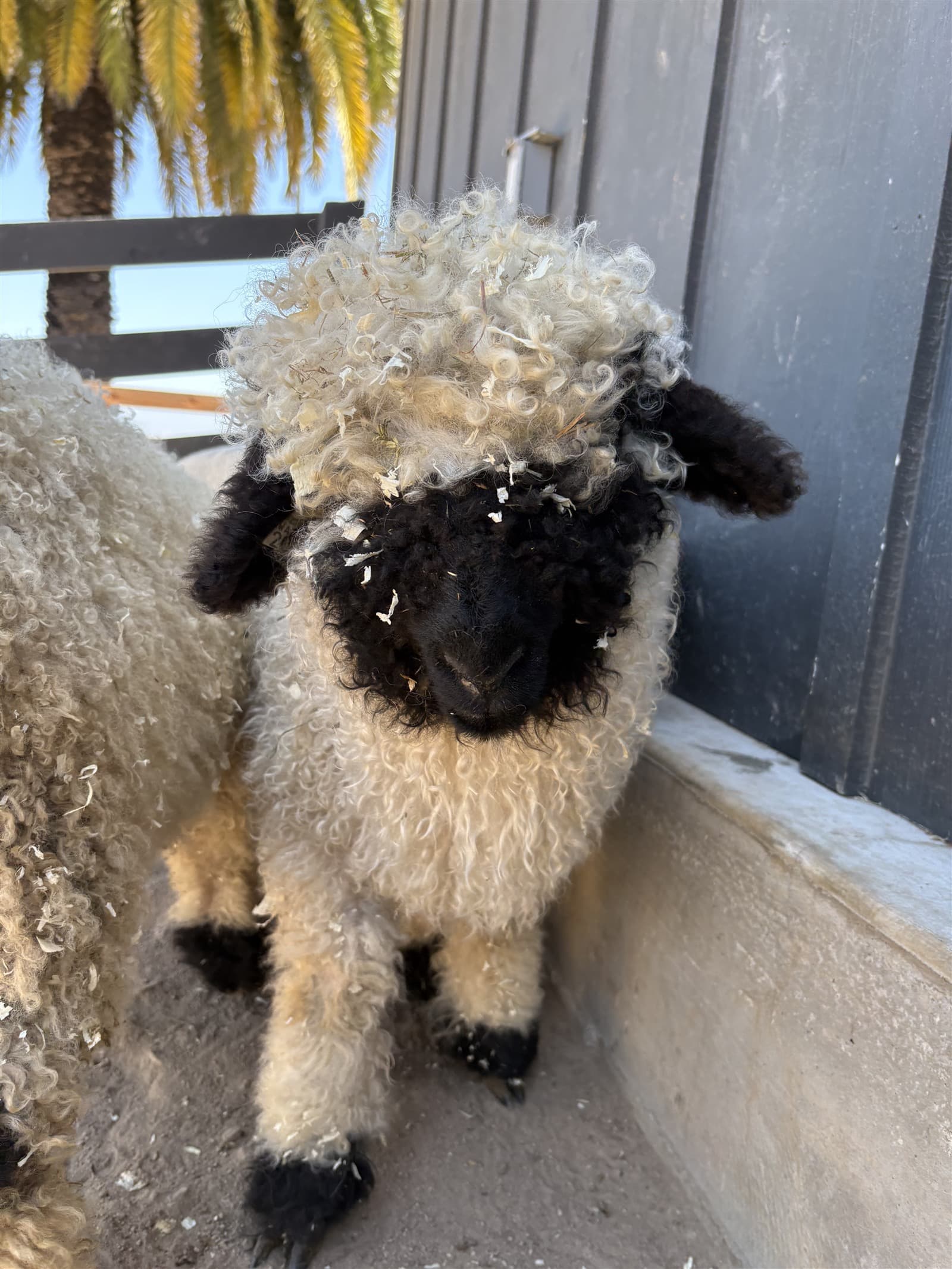
Start with the property, not the photograph
Valais Blacknose sheep are visually distinctive, but ownership begins with ordinary livestock fundamentals. Before adding animals, evaluate secure fencing, handling areas, clean water, feed storage, shelter, shade, predator pressure, and access for routine veterinary work.
A beautiful animal does not make an unsuitable property ready. Building the basics first is safer for the sheep and easier for the owner.
Heat and airflow deserve a written plan
California conditions vary sharply by region. Coastal Salinas can be very different from an inland valley or foothill property. Owners should plan around their actual seasonal temperatures, humidity, wind, shade, and emergency options rather than relying on a general statement about the state.
- Provide dependable shade and ventilation
- Schedule shearing and husbandry with local conditions in mind
- Keep clean water available and monitor intake
- Know the signs that require immediate veterinary attention
- Have a backup plan for heat events, wildfire smoke, and power interruptions
Build the professional team early
Locate a large-animal veterinarian, experienced shearer, feed resource, transport option, and—when breeding is planned—a qualified reproductive specialist before an urgent need appears.
Ask each professional what information they want maintained. Good records make routine care, breeding decisions, interstate movement, and emergency conversations more effective.
Records are part of daily stewardship
Keep animal identification, ownership documents, registration records, health work, breeding dates, lambing history, and movement paperwork organized. Recordkeeping is not only for a future sale; it supports better decisions throughout the animal's life.
Monterey Valais treats documentation and long-horizon planning as part of the breeding program, not as an afterthought added when an animal becomes available.
This field note provides general educational information, not individualized veterinary or reproductive advice. Work with qualified local professionals for decisions involving animal health, breeding, transport, or frozen-semen handling.